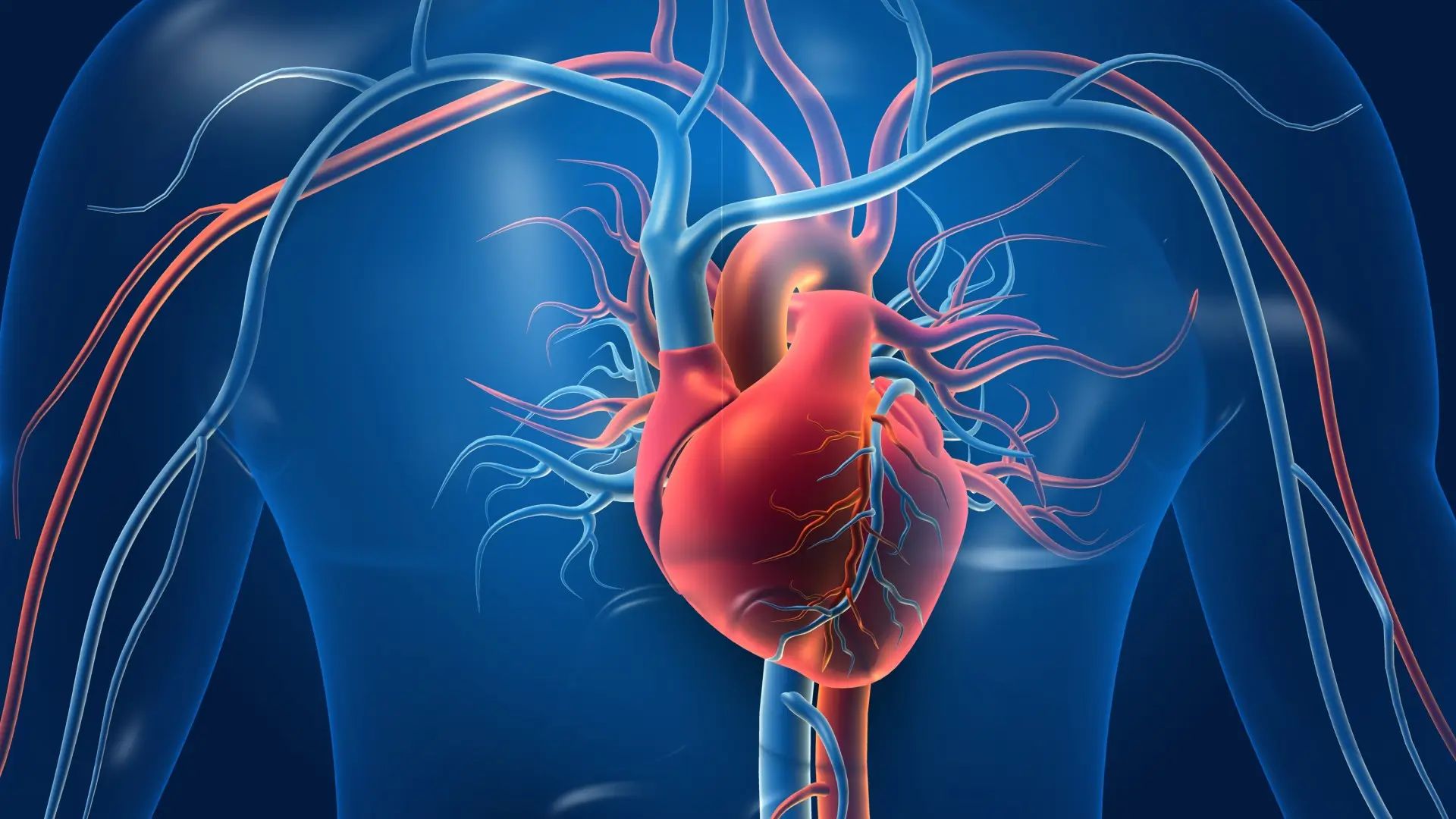
Every year, thousands of people in the Thane–Kalyan–Bhiwandi belt are told three words that change their lives: Coronary Artery Disease. For many, bypass surgery isn’t just an option – it’s the only way forward. Yet most families walk into a consultation with more fear than facts.
This guide is for you – whether you’re in Kalyan East, Bhiwandi’s industrial corridor, Dombivli, or Ulhasnagar – to understand exactly what heart bypass surgery involves, when it’s necessary, and what to expect before, during, and after.
What is Heart Bypass Surgery (CABG)?
Coronary Artery Bypass Grafting, or CABG (pronounced ‘cabbage’), is a surgical procedure that creates a new route for blood to flow around blocked or narrowed coronary arteries. The surgeon uses a healthy blood vessel – typically taken from the leg (saphenous vein), chest wall (internal mammary artery), or arm (radial artery) – to bypass the blockage.
The result: your heart muscle receives the oxygen-rich blood it was starving for.
When Is Bypass Surgery Necessary?
Not every blocked artery requires surgery. But your cardiologist or cardiac surgeon may recommend CABG when:
- Multiple coronary arteries are significantly blocked (triple vessel disease)
- The left main coronary artery – the most critical vessel – is diseased
- Stents (angioplasty) have failed or aren’t suitable for your anatomy
- You have diabetes combined with multi-vessel disease
- Heart function (ejection fraction) is compromised and needs immediate revascularisation
Why Patients from Kalyan & Bhiwandi Are Choosing Thane
Thane has emerged as a significant cardiac care hub in the Mumbai Metropolitan Region (MMR). Kims Hospital on the Eastern Express Highway offers direct connectivity from Kalyan, Dombivli, Bhiwandi, and Ulhasnagar – often a shorter and more accessible route than navigating to South Mumbai.
With specialists like Dr. Saumya Sekhar Jenasamant – trained in Heart & Lung Transplantation and performing the full spectrum of CVTS procedures – patients no longer need to travel to Navi Mumbai or the city for world-class cardiac surgical care.
The Bypass Surgery Process, Step by Step
Pre-Surgery Evaluation
Before the operation, you’ll undergo a detailed workup including coronary angiography, echocardiography, chest X-ray, blood tests, and a review of existing medications. For patients with diabetes – common in the Bhiwandi industrial belt due to sedentary occupations – blood sugar management before surgery is critical.
The Surgery Itself
CABG is typically performed under general anaesthesia and takes 3–6 hours depending on the number of vessels being bypassed. Most procedures use the heart-lung bypass machine (on-pump), though off-pump techniques are also available for select patients – a more advanced option that reduces risks in certain cases.
Recovery Timeline
ICU
24–48 hours post-surgeryGeneral Ward
4–6 daysDischarge
Typically by Day 7–8Light Activity
4–6 weeksFull Recovery
8–12 weeks for most patientsWhat Changes After Bypass Surgery?
Bypass surgery isn’t a cure for heart disease – it’s a powerful reset. Patients who maintain lifestyle changes see dramatically better long-term outcomes:
- Low-sodium, low-fat diet – especially important given Thane’s high-sodium street food culture
- Regular walking and graded cardiac rehabilitation
- Strict medication compliance (blood thinners, statins, BP drugs)
- Smoking cessation – especially relevant for Bhiwandi’s textile & warehouse workforce
- Regular cardiology follow-ups and surgical reviews
Risks, and How They’re Minimised
Like all major surgeries, CABG carries risks – bleeding, infection, stroke, and in rare cases, heart attack or kidney injury. In the hands of an experienced CVTS surgeon, modern techniques and intensive post-operative monitoring significantly reduce complication rates.
The risk of not operating in severe multi-vessel disease is usually far greater than the surgical risk itself.
A Note for Kalyan & Bhiwandi Patients: Don’t Delay
One of the most dangerous patterns seen in Thane district’s satellite towns is delayed presentation. Patients in Kalyan, Bhiwandi, and Ulhasnagar often manage symptoms for weeks or months before seeking specialist care – attributing chest pain to acidity or fatigue to overwork.
In coronary artery disease, delay is dangerous. If you’ve been advised to see a cardiac surgeon, act on it.