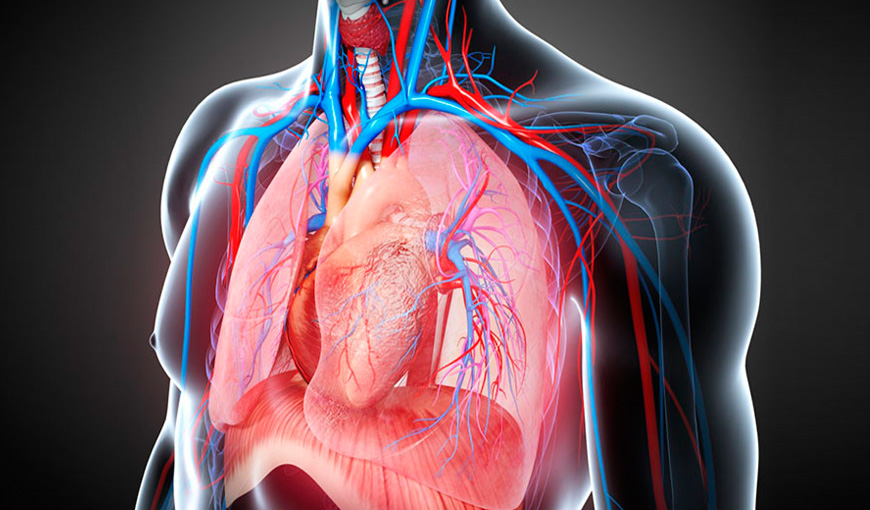
When most people think of cardiac and thoracic surgery, the heart takes centre stage. But a significant and growing portion of the CVTS workload involves the lungs – from infections and tumours to structural problems and rare conditions like CTEPH.
For patients in Thane, Kalyan, and Bhiwandi, understanding when lung surgery is needed and what it involves can be lifesaving.
Conditions That May Require Lung Surgery
Lung Cancer
Lung cancer is the most common indication for thoracic surgery. Surgical resection – removal of the tumour along with surrounding tissue – offers the best chance of cure for early-stage (Stage I and II) non-small cell lung cancer. Surgical options range from wedge resection (removing a small section) to lobectomy (removing a lobe) to pneumonectomy (removing an entire lung), depending on tumour location and extent.
In the Thane–Bhiwandi industrial corridor, occupational exposure to dust, asbestos, and chemical fumes in textile mills, logistics warehouses, and small manufacturing units significantly elevates lung cancer risk. Early detection and prompt surgical intervention are essential.
Chronic Lung Infections (Empyema, Bronchiectasis)
Chronic or recurrent lung infections can destroy lung tissue and create spaces filled with pus (empyema) or permanently dilated airways (bronchiectasis). Surgical drainage or resection may be required when antibiotic therapy fails, or when the diseased segment threatens overall lung function.
Pulmonary Tuberculosis Complications
TB remains prevalent in Maharashtra. While most cases respond to medical treatment, some develop complications requiring surgery – destroyed lobes, persistent cavities, massive haemoptysis (coughing blood), or pleural empyema post-TB. Surgical management of TB complications requires specialised thoracic expertise.
Pleural Disease
The pleura is the membrane lining the lungs. Conditions like recurrent pleural effusion (fluid), mesothelioma (rare, linked to asbestos), and spontaneous pneumothorax (collapsed lung) may require surgical intervention – from VATS (video-assisted thoracoscopic surgery) drainage to formal pleurectomy.
Mediastinal Masses & Thymic Tumours
The mediastinum – the space between the two lungs – can harbour masses including thymomas, lymphomas, and cysts. Thymomas (thymus tumours) are associated with myasthenia gravis (a neuromuscular disorder). Surgical excision is often both diagnostic and curative. Dr. Saumya Sekhar performs thymectomy and mediastinal mass excision through both open and minimal access approaches.
Pulmonary Endarterectomy for CTEPH
Chronic Thromboembolic Pulmonary Hypertension (CTEPH) is a rare and underdiagnosed condition where old clots in the pulmonary arteries permanently obstruct blood flow, leading to high pressures in the lung circulation and, eventually, right heart failure. Most patients with CTEPH are misdiagnosed for years.
“Pulmonary Endarterectomy – the surgical removal of these organised clots – is the only curative treatment for CTEPH.”
It requires a specialised technique involving circulatory arrest under deep hypothermia. Dr. Saumya Sekhar is one of the few surgeons in the Thane–Mumbai region with formal training in this procedure.
Minimally Invasive Lung Surgery: VATS
Video-Assisted Thoracoscopic Surgery (VATS) uses small incisions and a camera system to perform thoracic procedures without opening the chest widely. VATS is now standard for many lung resections and pleural procedures, offering:
- Smaller incisions and less pain
- Shorter hospital stay – typically 3–5 days vs. 7–10 for open surgery
- Faster return to normal breathing and activity
- Reduced risk of post-operative complications
Warning Signs That Need Thoracic Surgical Evaluation
- Persistent cough lasting more than 3 weeks
- Blood in the sputum (haemoptysis)
- Chest pain unrelated to the heart
- Unexplained breathlessness worsening over weeks
- Clubbing of fingers (a sign of chronic lung disease)
- Weight loss combined with respiratory symptoms
If you or a family member in Thane, Kalyan, Dombivli, or Bhiwandi has any of these symptoms, seek specialist evaluation promptly. Many serious lung conditions are highly treatable when detected early.